From guessing to knowing: How period apps brought calm to my daily rhythm
For years, I’d walk into each month blind—surprised by mood swings, caught off guard by cramps, and constantly asking myself, “Is it that time again?” It wasn’t just inconvenient; it felt like living in disconnect with my own body. Then I started using a simple period tracking app, not for data obsession, but for clarity. Within months, I knew what to expect, planned better, and finally felt in sync. This isn’t about high-tech miracles—it’s about real, quiet empowerment in everyday life. And if you’ve ever canceled plans last minute because you were feeling off, or snapped at someone when you couldn’t explain why—you’re not alone. What changed for me wasn’t a drastic lifestyle overhaul. It was one small digital tool that helped me finally listen.
The Chaos Before Clarity: Living Without Body Awareness
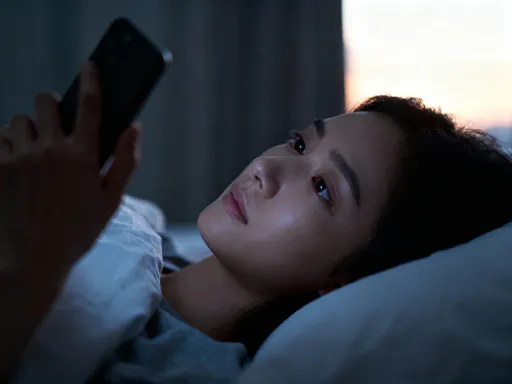
Let’s be honest—no one handed us a manual for our bodies when we got our first period. I sure didn’t get one. For more than a decade, I treated my cycle like a surprise guest: sometimes welcome, often disruptive, always unpredictable. I’d show up to work feeling foggy, only to realize two days later that my low focus and irritability lined up perfectly with the start of my period. Or I’d pack for a weekend trip and forget pads—again—because I hadn’t noticed the signs my body was quietly sending.
It wasn’t just the physical discomfort. It was the emotional weight of never feeling fully in control. I’d plan a big dinner with friends, then dread it when fatigue hit unexpectedly. I’d start a new workout routine full of energy, only to crash a week later, wondering if I just wasn’t strong enough. The truth? I wasn’t weak. I was simply unaware. My body was speaking, but I wasn’t listening. And that lack of awareness didn’t just affect my plans—it chipped away at my confidence. I started to question my own reliability. Was I too emotional? Was I not trying hard enough? The irony is, I was trying so hard to keep up, I didn’t realize I was fighting my own biology.
Sound familiar? You’re not imagining it. That sudden tearfulness before your period, the bloating that makes your jeans feel tight, the nights when sleep just won’t come—these aren’t random inconveniences. They’re signals. But without a way to connect the dots, they feel like scattered disruptions. And when you’re juggling family, work, and personal goals, those little disruptions can feel like big setbacks. I remember calling my sister once, frustrated, saying, “I just wish I could see it coming.” That moment—when I admitted I wanted to understand my body instead of reacting to it—was the first step toward change.
Discovering the App: A Small Step That Felt Like a Relief
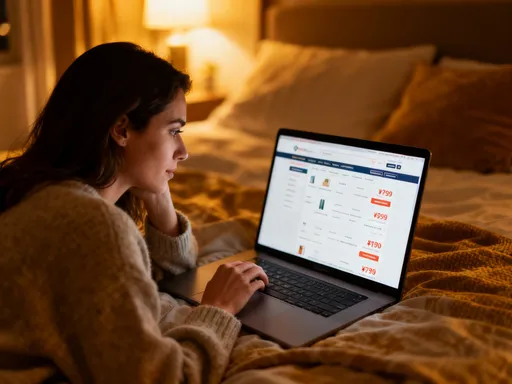
I didn’t download a period tracking app because I wanted to become a data scientist. I did it because I was tired—tired of being blindsided, tired of feeling like my body was working against me. I remember scrolling through the app store, skeptical. So many apps promised fertility predictions, hormone analysis, even AI-powered insights. I wasn’t looking for a medical diagnosis. I just wanted to know when my period might show up. So I picked one that looked simple, clean, and didn’t ask for a novel’s worth of information.
The first time I opened it, I felt a little silly. Logging my flow felt like homework I’d never signed up for. But I started small—just one entry: “Period started.” Then, the next day, I added how I was feeling: “Tired. Cramps.” No big deal. But doing it daily, even when I forgot sometimes, began to feel like a quiet conversation with myself. It wasn’t about being perfect. It was about showing up. And slowly, that daily check-in became a habit—like brushing my teeth or making my morning coffee.
What surprised me most was how comforting it felt to record something so personal. There was no judgment in the app. No voice saying, “You should feel better by now.” Just space to notice. I began to appreciate that this little tool wasn’t demanding anything from me. It wasn’t pushing me to ovulate on schedule or hit a fertility window. It was simply holding my data with care. And in return, it gave me something priceless: a sense of continuity. For the first time in years, I wasn’t starting each month from zero. I had a record. I had context. I had clues.
Patterns Begin to Emerge: When Data Turns Into Insight
After about three months of consistent tracking, something shifted. I started to see patterns—real, recognizable trends that made sense of my moods, energy, and physical symptoms. I noticed that around day 14 of my cycle, my energy spiked. I felt sharper, more creative, and even more social. That was ovulation, the app gently reminded me. And then, about a week before my period, my energy dipped. I felt more introspective, sometimes anxious. My sleep wasn’t as deep. I craved comfort food. These weren’t flaws. They were phases.
Once I saw the pattern, I stopped fighting it. Instead, I started planning with it. I began scheduling important meetings or creative projects during my high-energy phase. I saved deep cleaning or intense workouts for those days when I actually had the stamina. And when I saw that low-energy week approaching, I gave myself permission to rest. I’d say to my family, “Mom’s in a quiet phase this week—let’s keep things calm.” And you know what? They respected it. My teenage daughter even said, “I get why you were tired last month. It’s science!”
One of the most powerful moments was rescheduling a big presentation. I’d originally planned it for a Monday late in my cycle. But the app showed a pattern of fatigue and brain fog around that time. So I moved it to the following week, during my peak energy phase. The difference was night and day. I felt confident, clear, and in control. I didn’t just deliver the talk—I enjoyed it. That’s when it hit me: this app wasn’t changing my body. It was helping me work with it, not against it. And that small shift—from resistance to cooperation—changed everything.
Beyond the Cycle: Unexpected Gains in Mood and Self-Care
What I didn’t expect was how much tracking would teach me about other parts of my life. Once I started paying attention to my cycle, I naturally began noticing other habits. I saw how poor sleep made my cramps worse. I realized that when I drank more water, I felt less bloated. And I discovered that even a 10-minute walk on low-energy days helped lift my mood.
Tracking encouraged me to make small, sustainable changes. I started going to bed 20 minutes earlier during my premenstrual phase. I swapped sugary snacks for fruit or nuts when I noticed how sugar crashes affected my anxiety. I even began doing gentle yoga the day before my period, which actually reduced my cramps. These weren’t drastic overhauls. But together, they added up to a calmer, more balanced life.
And then there was the emotional side. For years, I’d blamed myself for mood swings. But seeing them appear at the same time each cycle—like clockwork—helped me reframe them. This wasn’t me being “difficult.” This was my body going through a natural process. That realization brought so much self-compassion. I stopped apologizing for feeling emotional. Instead, I started saying, “I’m in a sensitive phase. I need a little extra care.” And that small shift in language changed how I treated myself.
I also started talking about it more—with my sister, my best friend, even my mom. We’d laugh about how we both felt like hermits the week before our periods. We shared tips: heating pads, herbal tea, favorite cozy movies. It wasn’t just about symptoms. It was about connection. We were no longer suffering in silence. We were learning together. And that sense of community—of being seen and understood—was healing in its own way.
Sharing Without Oversharing: Strengthening Real-Life Connections
One of the most surprising benefits of tracking was how it improved my relationships. I used to hide my low-energy days, pushing through until I crashed. But once I could predict them, I started communicating more openly. I’d tell my husband, “I’m entering a low-energy phase, so I might not be up for cooking tonight.” Not as an excuse. As information.
And you know what happened? He got it. He didn’t take it personally. Instead, he’d say, “Got it. I’ll handle dinner.” Or my kids learned that when Mom says she needs quiet time, it’s not because she doesn’t love them. It’s because she’s honoring her rhythm. Over time, they became more empathetic. My son even brought me tea once, saying, “You said this helps with cramps, right?”
Sharing my cycle wasn’t about giving a medical report. It was about setting gentle boundaries and inviting support. It allowed the people I love to understand my needs without drama or guilt. And in return, I became better at supporting them too. I noticed when my daughter seemed moody and asked, “Is it that time of month?” not to embarrass her, but to let her know she’s not alone. That simple question opened up conversations about self-care, stress, and how our bodies respond to life’s demands.
This kind of transparency didn’t weaken our relationships. It deepened them. We stopped misreading each other’s moods. We stopped taking things personally. We started responding with kindness. And that, to me, is one of the quietest but most powerful gifts of tracking—not just knowing my body, but helping others understand it too.
Choosing the Right App: Simplicity Over Features
When I first looked for an app, I was overwhelmed. So many options. So many features. Some promised to predict my mood with 90% accuracy. Others wanted to sync with 15 different devices. One even claimed to tell me my “fertility personality type.” I just wanted to track my period. So I learned to look for simplicity.
I focused on a few key things: ease of use, privacy, and flexibility. I wanted an app that didn’t make me feel guilty for missing a day. One that didn’t bombard me with notifications or scary predictions. I chose one with a clean interface—just a calendar, a few taps to log symptoms, and the option to add notes. No pressure. No jargon.
Privacy was non-negotiable. I didn’t want my data shared or sold. I looked for apps that stored information securely and didn’t require social media login. I also valued offline access—because sometimes I wanted to log how I felt without being connected to the internet. And customization mattered. I didn’t need to track every possible symptom, but I wanted the option to add what was relevant to me—like sleep quality or food cravings.
My advice? Don’t get caught up in the bells and whistles. You don’t need AI, facial recognition, or a subscription plan. You need a tool that feels like a quiet companion, not a demanding coach. Try a few apps. See which one feels right. The best app isn’t the fanciest one. It’s the one you’ll actually use—consistently, kindly, and without stress.
A Calmer, More Connected Life: The Quiet Power of Knowing
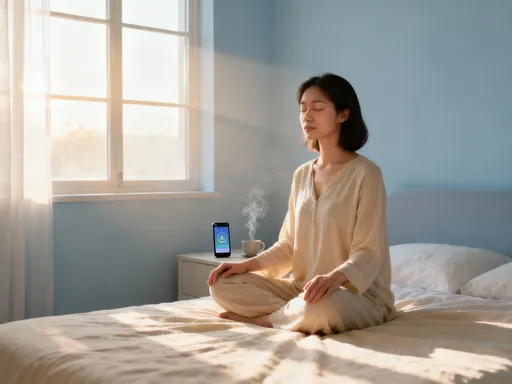
Looking back, I realize that tracking my cycle wasn’t just about predicting my period. It was about reclaiming my sense of self. For years, I’d treated my body like a problem to manage. Now, I see it as a partner—one with rhythms, needs, and wisdom. The app didn’t give me that insight. It simply helped me notice what was already there.
Today, I move through my month with more ease. I plan around my energy, not against it. I rest when I need to, and I celebrate when I feel strong. I’ve stopped apologizing for being human. And I’ve started honoring my natural rhythm as something beautiful, not inconvenient.
This journey wasn’t about chasing perfection. It was about presence. It was about learning to listen—to my body, to my emotions, to my needs. And in doing so, I’ve become more patient, more compassionate, and more confident. I’m not just surviving my cycle. I’m living with it. And that small shift has made a big difference.
Technology at its best doesn’t change who you are. It helps you become more fully yourself. It doesn’t add noise. It helps you hear what’s already been there, quietly waiting to be noticed. So if you’ve ever felt out of sync, if you’ve ever wished you could see the signs before they hit—try giving yourself that gift. Start small. Track one thing. Notice one pattern. Let technology be the quiet guide that helps you come home to your body. Because you deserve to live with clarity, calm, and confidence. And sometimes, the most powerful tools aren’t the flashy ones. They’re the simple ones that help you finally know yourself.