From Scattered to Streamlined: How Food Apps Quietly Mastered My Chaos
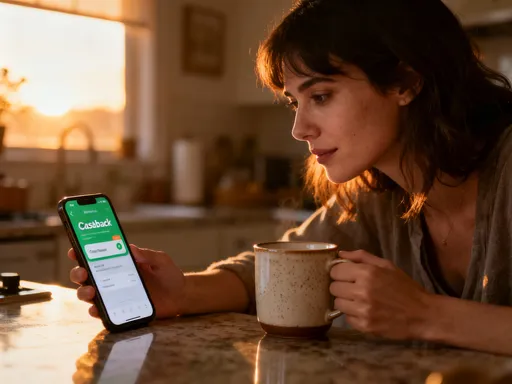
Ever stood in your kitchen, starving, staring at the fridge—only to realize you’ve already wasted 20 minutes scrolling through half the apps on your phone? I’ve been there, more times than I’d admit. Between work pings, family calls, and that never-ending to-do list, even eating feels like another task to survive. But lately, something’s changed—not because I’ve gotten better at adulting, but because my food app finally started *getting* me. It doesn’t just serve meals. It seems to know when I’m too tired to decide, when I need comfort, or when I’m trying to eat lighter after a busy morning. And honestly? That small shift has made a surprisingly big difference in how I move through my days.
The Myth of “Free Time” in Modern Life
Let’s be real—no one in our world really has free time anymore. Not the kind we used to imagine, where you could sit down, relax, and plan your week with a cup of tea and a quiet kitchen. These days, life happens in the cracks. The 15 minutes between dropping the kids at school and logging into your first meeting. The quick stop at the grocery store after yoga, where you’re already trying to figure out dinner while picking up milk. Or that moment at 6:03 PM when you open the fridge, hoping something will magically inspire you, but all you feel is the weight of another decision you don’t have energy for.
I used to think meal planning was just about being organized. I’d set aside Sunday afternoons to write lists, browse recipes, and promise myself this week would be different. But then life would happen—a last-minute school project, a work call that ran late, a sick child—and suddenly my beautiful plan was useless. The grocery list stayed on the counter. The ingredients spoiled. And by Wednesday, I was back to reheating leftovers that no one wanted or staring blankly at delivery apps with zero idea what to choose.
That’s when I realized: the problem wasn’t me. It wasn’t that I lacked willpower or time management skills. The real issue was that the old way of thinking about food—planned, structured, intentional—no longer fits the rhythm of most of our lives. We’re not failing at meal planning. The system is failing us. And in that gap, convenience isn’t a luxury. It’s a lifeline. We don’t need perfection. We need something that works when we’re tired, distracted, or just plain overwhelmed. That’s why I started looking for tools that didn’t ask more from me—but gave me more in return.
When Food Apps First Showed Up—And Missed the Point
Remember when food delivery apps first became a thing? It felt like a revolution. No more calling restaurants, no more waiting on hold, no more hoping they’d actually have your favorite dish in stock. You could tap a few buttons and dinner would show up at your door. At first, it was thrilling. But after the novelty wore off, I noticed something: the apps didn’t really know me. They didn’t care. They just wanted my order.
I’d open the app after a long day, drained and hungry, and be greeted by a flood of choices—sushi places I never order from, late-night burger joints I avoid for health reasons, or smoothie bowls at 8 AM when I’m clearly not in smoothie mode. It was like walking into a mall food court where every vendor is shouting at you at once. The mental load of filtering through irrelevant options was almost as exhausting as cooking from scratch.
And don’t get me started on the recommendations. “You might also like…”—sure, maybe, if I were a completely different person with different tastes, a different schedule, and no kids to feed. I once got a suggestion for a spicy Thai curry at 7 AM. I wasn’t even hungry yet, and the app was already pushing something that would’ve sent me into a mid-morning sweat. It wasn’t helpful. It felt tone-deaf, like the app was guessing in the dark instead of paying attention.
The truth is, early food apps were built for transactions, not relationships. They were designed to get food from point A to point B as fast as possible, not to understand the rhythm of your day or the way your cravings shift with the weather, your mood, or your energy level. They treated every user the same—like a faceless customer, not a real person with habits, preferences, and patterns. And while they saved time on delivery, they didn’t save time on decision-making. If anything, they made it harder.
The Quiet Shift: When My App Started Paying Attention
Then, slowly, something changed. I didn’t notice it at first. It wasn’t a big update or a flashy new feature. It was subtle—like the difference between someone hearing you and someone actually listening.
One rainy Tuesday evening, I opened the app feeling sluggish after a long workday. Before I even typed anything, my usual order from a local comfort food spot popped up—mac and cheese with a side of roasted Brussels sprouts. I hadn’t ordered it in over a week, but there it was, front and center. I clicked yes without thinking. And it felt… right. Not just because I liked the meal, but because it felt like the app knew I needed comfort, not just calories.
Then it happened again. After a morning workout, I opened the app around noon, and instead of heavy burritos or fried food, it suggested a grain bowl with grilled chicken and avocado—light, balanced, exactly what I usually want on active days. It wasn’t a random pick. It was a pattern. The app had started to notice.
I realized it wasn’t magic. It was data—quiet, unobtrusive, and surprisingly thoughtful. Every time I ordered, rated a meal, or skipped a suggestion, the app was learning. It wasn’t judging me for ordering pizza on a tough night. It was remembering that I tend to go for warm soups when it rains, that I avoid caffeine after 3 PM, and that weekends mean family meals with kid-friendly options. Over time, it built a profile of me—not as a user number, but as a person with routines, moods, and real-life needs.
And here’s the thing: I didn’t have to teach it everything at once. I didn’t fill out a survey or set preferences in a settings menu. I just used the app, consistently, and let it observe. It’s like when a good friend starts to know your habits—how you take your coffee, what kind of movies you like, when you need space. The app wasn’t trying to impress me. It was just paying attention. And that small shift—from transactional to attentive—changed everything.
Small Suggestions, Big Calm: The Power of Micro-Personalization
The real power of this new kind of app isn’t in grand gestures. It’s in the tiny moments—the micro-suggestions that quietly take the edge off a chaotic day.
Like the time I wrapped up a back-to-back meeting and my phone buzzed with a calendar alert: “Next: Creative Work Block.” Right after, the app pushed a notification: “Your usual kale salad is ready to order. Light, fresh, and delivered by 12:45.” I didn’t have to think. I didn’t have to debate. I tapped “Reorder,” and just like that, lunch was handled. That small act saved me from the mental spiral of “What should I eat?” and let me dive straight into work with a clear head.
Or the Sunday when I didn’t leave the house—no gym, no errands, just lounging in sweatpants, emotionally drained from a busy week. Around 6 PM, the app surfaced a warm lentil stew from my favorite cozy café, with a note: “Comfort meal for slow days.” I hadn’t searched for it. I hadn’t even opened the app that day. But somehow, it knew. Maybe it saw that I hadn’t moved far from home, or that I skipped my usual morning coffee order. Whatever the reason, that single suggestion felt like a warm hug. I ordered it, ate it slowly, and actually enjoyed my evening instead of rushing through another meal.
These moments might seem small on their own. But when you’re juggling a million things, small things matter. Each time the app gets it right, it’s not just saving me time—it’s saving me energy. It’s reducing the number of decisions I have to make in a day when I’m already mentally stretched thin. And over time, those tiny acts of digital care add up to something bigger: a sense of calm, of being supported, of not having to do it all alone.
That’s the quiet magic of micro-personalization. It’s not about flashy AI or futuristic tech. It’s about technology that notices the details and uses them to make life a little easier. It’s not shouting. It’s whispering, “I’ve got you.” And sometimes, that whisper is exactly what we need.
Beyond Hunger: How Eating Smarter Fuels Better Living
Here’s what surprised me most: when meal decisions get easier, everything else starts to feel a little lighter, too.
I used to think of food apps as just a tool for eating. But as the suggestions got smarter, I noticed ripple effects in other parts of my life. With less mental clutter around meals, I had more space for creativity at work. I wasn’t spending 20 minutes midday debating lunch options—those minutes now went toward writing, brainstorming, or even just breathing. I felt sharper, more focused, less frazzled.
And at home, the change was even more noticeable. When dinner arrived on time, warm, and actually something everyone liked, the whole mood shifted. No more “I don’t know what I want” or “Nothing sounds good.” No more last-minute scrambling or frustrated sighs. The kids ate without complaint. My partner and I actually had time to sit down together, talk about our days, and enjoy a moment of connection. That consistency—knowing dinner would be handled—reduced the household stress in a way I didn’t expect.
Even my sleep improved. When I wasn’t eating late-night takeout because I’d waited too long to decide, or scarfing down something too heavy before bed, I started falling asleep easier. My energy levels evened out. I wasn’t crashing at 3 PM because I’d skipped lunch or eaten something sugary in a panic. The app wasn’t tracking my sleep or giving me wellness advice—it was just helping me eat in a way that naturally supported better rhythms.
And perhaps most unexpectedly, I started reclaiming time. Not hours, but pockets—five minutes here, ten there—time that used to vanish into decision fatigue or scrolling. I used it to read a few pages of a book, call a friend, or just sit quietly with a cup of tea. Those moments didn’t change my life overnight. But they added up. They reminded me that I’m not just a doer. I’m a person who deserves ease, care, and a little joy in the everyday.
Making It Work for You: Simple Tweaks for Smarter Eating
You might be wondering: can my app do this too? The good news is, yes—it probably already can. You just need to help it learn you. And the best part? It doesn’t require a tech degree or hours of setup. Just a few small, consistent habits.
First, stick with one main app. I know it’s tempting to jump between platforms for deals or variety, but consistency is key. The more you use one app, the better it gets at recognizing your patterns. Think of it like building a relationship. You wouldn’t expect a new acquaintance to know your favorite coffee order after one conversation. Same with your app.
Next, take a second to rate your orders. Most apps have a simple star system or a quick “Was this helpful?” prompt. It doesn’t have to be perfect—just honest. If you loved the meal, say so. If it was too salty or arrived cold, let the app know. That feedback is gold. It’s how the system learns what “good” looks like for you.
Also, try to use the app at similar times each day. If you usually order lunch around noon, do it from the same device and location when possible. This helps the app connect timing with your needs. Over time, it might start surfacing lunch suggestions right when you’re likely to be hungry, based on your past behavior.
And don’t be afraid of modest data sharing. You don’t need to turn on every setting, but allowing things like location (so it knows when you’re home or at work) or calendar access (so it sees when meetings end) can help the app make smarter suggestions. It’s not about being tracked. It’s about being understood. And you’re always in control—you can adjust permissions anytime.
Finally, be patient. Personalization doesn’t happen overnight. It takes a few weeks of regular use for the app to build a clear picture of your habits. But once it does, the difference is real. You’ll start to notice those little moments of relief—the right meal, at the right time, with almost no effort. And that’s when the app stops feeling like a tool and starts feeling like a partner.
Reclaiming Time, One Meal at a Time
Looking back, I realize I wasn’t just looking for faster food. I was looking for peace. For a way to move through my days without feeling constantly behind, overwhelmed, or out of sync. And what surprised me most was that the solution didn’t come from working harder—but from letting technology work smarter, quieter, and more thoughtfully.
The best part of this journey hasn’t been the convenience, though that’s nice. It’s been the feeling of being known. Of having a small piece of technology that doesn’t demand my attention but gives me a little back. That doesn’t add to the noise but helps quiet it. In a world that often feels too loud, too fast, too much, that kind of quiet support is priceless.
Personalization isn’t about flashy features or futuristic promises. It’s about dignity. It’s about respecting your time, your energy, and your real-life needs. It’s about recognizing that we’re not machines—we’re people with rhythms, moods, and moments of exhaustion. And when technology finally starts to reflect that, it stops being just useful. It becomes meaningful.
So if you’re still treating your food app like a simple order button, I get it. I used to, too. But I encourage you to see it differently. See it as a quiet ally in your daily life. Train it gently. Let it learn you. And then watch what happens when your phone doesn’t just buzz with notifications—but whispers, “I’ve got dinner. You’ve got this.”
Because the truth is, we don’t need more to do. We need less to manage. And sometimes, the most powerful tech isn’t the one that dazzles us. It’s the one that finally listens.